Built for Seasons That Test Everything
What Goes Into Building or Replacing a Deck
Your deck takes direct sun through summer afternoons, absorbs snow melt in spring, and flexes through freeze-thaw cycles that loosen fasteners and split boards. In Sioux Falls, outdoor structures need to handle temperature swings that range over a hundred degrees, and older decks often show the wear in sagging rails, splintered surfaces, or boards that bounce underfoot.
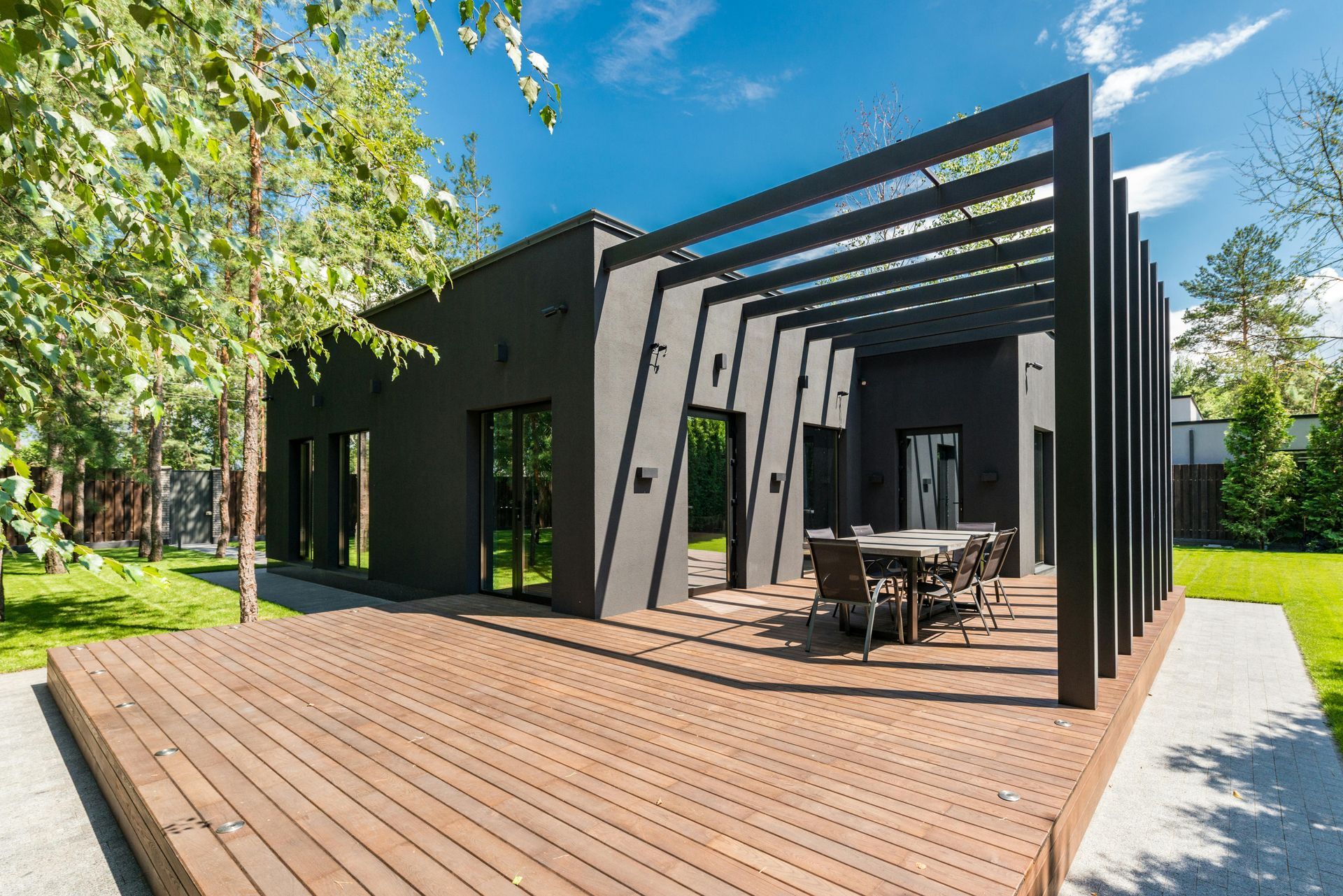
Prairie Grass Construction LLC handles both new deck construction and full tear-out replacements in Sioux Falls. You can choose composite decking that resists moisture and fading, or traditional wood if you prefer the look and are prepared to maintain it. Railing options include aluminum for durability, wood for a unified appearance, or cable systems that keep sightlines open. Each project starts with your layout preferences and ends with a structure built to local wind loads and soil conditions.
If your deck needs evaluation or you're ready to design something new, reach out to discuss materials and configurations that suit how you use your yard.
What Goes Into Building or Replacing a Deck
A new deck in Sioux Falls begins with footings set below frost line, then proceeds to framing, decking installation, and railing attachment. You'll see the crew verify level and square at each stage, secure joists with joist hangers, and space deck boards to allow water drainage and material movement. Composite boards are fastened with hidden clips, while wood decking typically uses stainless or coated screws to prevent rust stains.
Once the work is finished, you'll notice that boards sit uniformly flat, railings feel solid when you lean against them, and fasteners are countersunk and consistent. The surface will shed water instead of pooling it, and stairs will meet code for rise and run. If you chose composite material, the color stays consistent without annual staining.
For replacements, the old structure is removed down to posts or footings depending on their condition, then rebuilt using the same process. Custom layouts can include built-in benches, stairs at multiple access points, or wider landings for grills and furniture. The crew works around existing landscaping and utility lines, and hauls away all debris when the project wraps.
Questions That Come Up Before You Commit
Homeowners often ask about material longevity, code requirements, and whether existing footings can be reused, so here are answers to the most common concerns.
What are the main differences between composite and wood decking?
Composite resists moisture, fading, and splintering without staining or sealing, but costs more upfront. Wood offers a natural look and lower initial expense, but requires regular maintenance to prevent rot and discoloration.
How long does a typical deck installation take?
Most residential decks in Sioux Falls are completed in three to five days, depending on size, railing complexity, and weather. Tear-outs add one to two days for removal and disposal.
Why would I choose cable railing over wood or aluminum?
Cable railing keeps views open and requires less upkeep than wood, though it costs more than standard options. You'll clean the cables occasionally to remove dust and pollen, but they don't need paint or stain.
What happens if my existing footings are still solid?
If footings are level, crack-free, and properly placed, they can often be reused during a replacement. The crew inspects them before framing begins and pours new footings only where needed.
When is the best time of year to build a deck?
Spring through fall works well in Sioux Falls, with late spring and early fall offering the most predictable weather. Winter projects are possible but depend on ground conditions and temperature for concrete work.
Prairie Grass Construction LLC builds decks that handle the full range of South Dakota weather, using materials and methods suited to how you plan to use the space. If you're ready to move forward or want to discuss railing and decking options, get in touch to schedule a site visit.
